Kaspersky Standard, Plus, and Premium (India, Africa & Middle East): Pricing, Features, and How It Compares
By Day Zero Guides Editorial · How we produce guides
Some links in this guide are affiliate links. If you sign up through them, Day Zero Guides may earn a commission at no extra cost to you. This never affects which products we cover or what we say about them. See our affiliate disclosure for details.
What Kaspersky Costs in This Region
Here's the first honest thing to say about Kaspersky's India, Africa & Middle East storefront: exact pricing isn't published as a flat global rate. Unlike the US or UK sites, where you can see a fixed dollar or pound figure, Kaspersky's regional pricing for markets like India, Nigeria, South Africa, the UAE, and Saudi Arabia is set per country, in local currency (INR, NGN, ZAR, AED, SAR, etc.), and it shifts frequently with promotions — first-year discounts of 40-60% off the renewal price are common, especially around Diwali, Black Friday, and Ramadan sales windows.
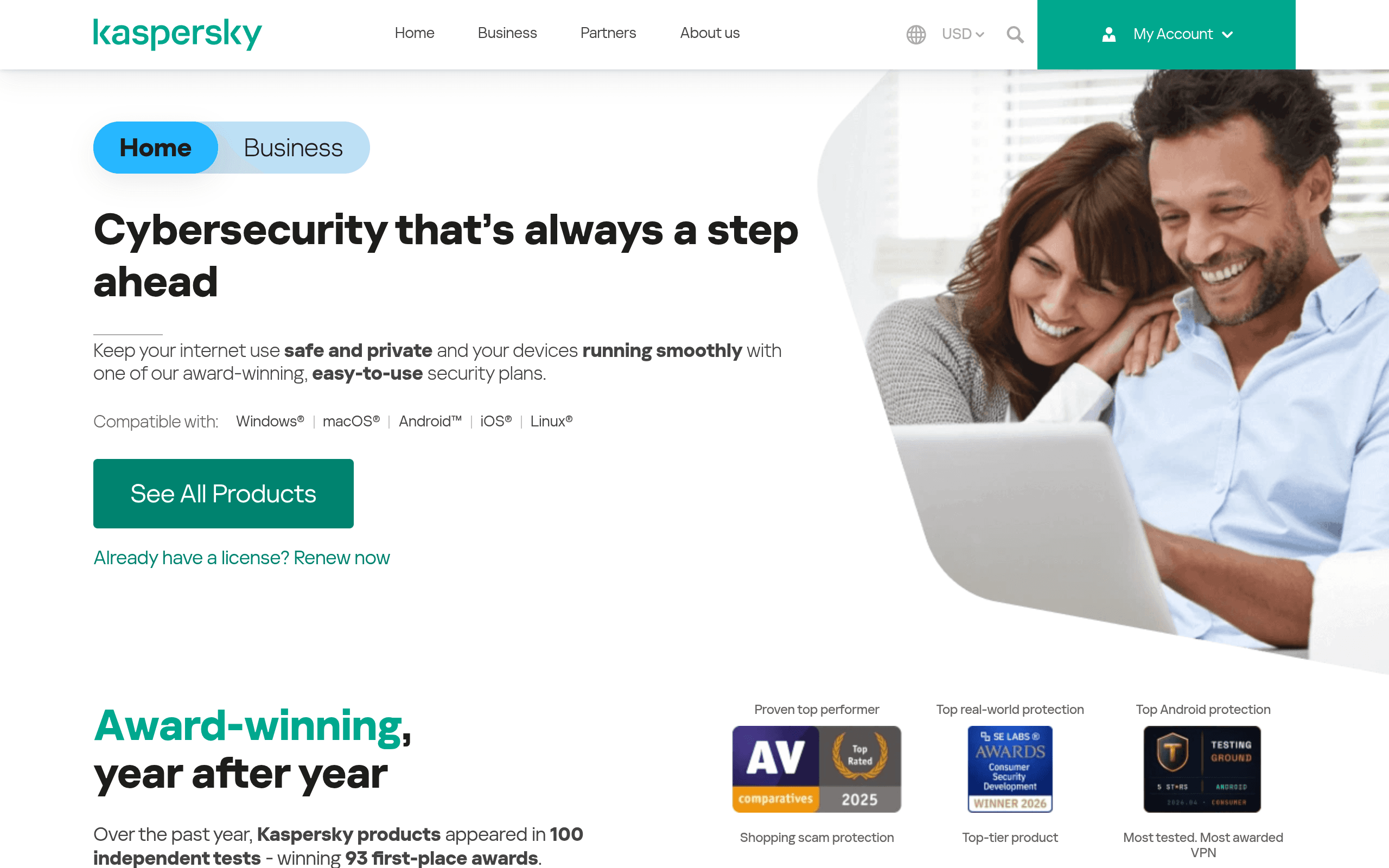
What stays consistent is the structure. Kaspersky sells three tiers — Standard, Plus, and Premium — and the jump between them is about scope, not just device count:
- Kaspersky Standard — core antivirus, real-time malware protection, performance optimization tools, and payment protection for online banking/shopping. This is the tier to compare against a basic Norton AntiVirus Plus or McAfee's entry plan.
- Kaspersky Plus — everything in Standard, plus an unlimited VPN (no data cap, unlike the throttled VPNs bundled with some competitors' base tiers) and a smart firewall. This is the plan most households end up buying because the VPN alone often justifies the price difference.
- Kaspersky Premium — everything in Plus, plus identity protection, data leak checking (scans for your email/credentials showing up in breach dumps), remote IT support, and priority customer service. This is the direct competitor to Norton 360 with LifeLock or McAfee's identity-monitoring bundles.
Because the region doesn't publish a standard USD price list, your actual cost depends entirely on your country's storefront and whatever promo is live when you buy. The practical move: price out all three tiers on the regional site before checking out, since the per-device, per-year math between Standard and Plus is sometimes a difference of just a few dollars equivalent — small enough that Plus is usually the better deal once you factor in the VPN.
The Core Value Proposition
Kaspersky's pitch hasn't changed much in the years it's been selling into these markets: strong, consistently high-scoring malware detection (it regularly posts near-perfect scores in AV-Test and AV-Comparatives independent lab tests) bundled with a VPN and identity tools, sold at a price point that undercuts Norton and McAfee in most of these regional markets. The detection engine is the reason security professionals still recommend it despite the company's well-documented reputational baggage around government scrutiny in the US and parts of Europe — baggage that's largely irrelevant if you're buying from and using the product in India, the UAE, Kenya, or South Africa, where no such restrictions apply.
What You Actually Get
Platform coverage: Windows, macOS, Android, and iOS are all supported across every tier, and Kaspersky also offers Linux compatibility for its antivirus engine — something Norton and McAfee don't prioritize nearly as well. If you run a mixed household (Windows desktop, Android phones, an iPad), one subscription covers all of it, with device counts typically ranging from 3 to 20 depending on plan and package size.
Real-time protection: On-access scanning, ransomware rollback (it can reverse file encryption from a detected ransomware attack in progress), and behavioral detection that doesn't rely solely on virus signature databases — useful against zero-day threats.
VPN (Plus and Premium): Kaspersky's VPN is unmetered on these two tiers, which matters because several competitors cap VPN data on their mid-tier plans and only unlock unlimited use at the top tier. If you plan to use the VPN daily for streaming or public Wi-Fi protection, this is a meaningful differentiator.
Identity and data leak protection (Premium only): Monitors whether your email addresses or account credentials have appeared in known data breaches, and includes some identity-theft remediation support. It's not as deep as Norton's LifeLock integration in markets where LifeLock operates, but LifeLock isn't available in most of these regions anyway, so the comparison is somewhat moot here.
Performance tools: PC cleanup, startup manager, and a privacy cleaner for browser traces — nice-to-haves, not the reason to buy.
Who This Is Actually For
- A family in Bangalore or Lagos with 4-5 devices across Windows and Android: Plus tier covers the VPN need (public Wi-Fi, streaming) and the device count without paying for identity monitoring most households skip anyway.
- A small business owner in Dubai running a mix of Windows machines and a Linux server: Kaspersky's Linux support is a genuine edge here over Norton and McAfee, which largely ignore Linux desktops.
- Someone who's been through a data breach notification or reused passwords across sites: Premium's leak-checking justifies the upgrade cost on its own.
- A single-device user who just wants solid antivirus and nothing else: Standard is enough, and it's usually the cheapest of the three tiers across every country storefront in this region.
How It Compares
| Kaspersky (Plus tier equivalent) | Norton 360 Deluxe | McAfee Total Protection | Bitdefender Internet Security | |
|---|---|---|---|---|
| Pricing model | Regional, local currency, not globally published; heavy first-year discounts common | ~$49.99/yr first year (5 devices), renews higher | ~$39.99-$89.99/yr depending on bundle and device count | ~$29.99-$59.99/yr for 3-10 devices, heavy renewal jump |
| VPN | Unlimited on Plus and Premium | Included, unlimited on Deluxe+ | Included, unlimited on most bundles | Limited to 200MB/day unless upgraded to Premium VPN add-on |
| Linux support | Yes, native antivirus client | No | No | No |
| Identity/leak monitoring | Premium tier only | Strong, via LifeLock (US-centric, limited availability outside US) | Included on Total Protection with identity monitoring | Available as separate add-on, not bundled |
| Independent lab scores | Consistently top-tier (AV-Test, AV-Comparatives) | Strong, slightly more system impact reported | Solid, occasionally lower detection in edge-case tests | Consistently top-tier, very low system impact |
| Best for | Mixed-platform households, Linux users, VPN-heavy use | Users wanting deep identity theft remediation (where LifeLock operates) | Users who want a well-known US brand with broad bundling | Users prioritizing lowest system resource usage |
Where It Falls Short
The lack of published, comparable pricing is a genuine frustration if you're trying to budget before you commit — you have to go to the checkout page and run the numbers yourself, country by country, rather than comparing a clean price list the way you can with Bitdefender or McAfee's US/UK sites. Kaspersky's customer support in some of these regional markets is also thinner than Norton's, which has more established local support infrastructure in markets like India. And if you're someone who weighs geopolitical sourcing concerns heavily regardless of where you live, that's a conversation this guide won't resolve for you — it's a personal call, not a technical one.
Bottom Line
If you're shopping in India, Africa, or the Middle East and comparing Kaspersky against Norton, McAfee, or Bitdefender, the practical case for Kaspersky comes down to three things: consistently excellent independent lab scores, genuine Linux support that competitors skip, and an unlimited VPN bundled in at the Plus tier rather than gated behind the most expensive plan. The absence of published pricing is annoying but not disqualifying — run the numbers on your country's storefront, compare the first-year promo price against the renewal price (always check both), and if you need more than basic antivirus, Plus is very likely the tier worth paying for over Standard.